
This page collects practical rough water sea kayaking photography lessons and gear insights drawn from a documented event. Updated: February 10, 2026.
Rough Water Sea Kayaking Photography Lessons: Autumn Gales Event
Rough water sea kayaking photography demands lightweight, fast-access gear and quick decision-making amid fast currents, tide races and breaking waves. This page distills key takeaways from the Autumn Gales event in Fishers Island Sound — action capture techniques, gear handling, and habits that hold up in dynamic conditions. The event is documented in detail at Guillemot Kayaks.
Event Overview
The Autumn Gales symposium brought skilled paddlers into fast-moving water, tide races and breaking waves in Fishers Island Sound. Images shot from a photo boat highlight the intensity and movement — excellent reference material for anyone photographing action in rough aquatic environments.
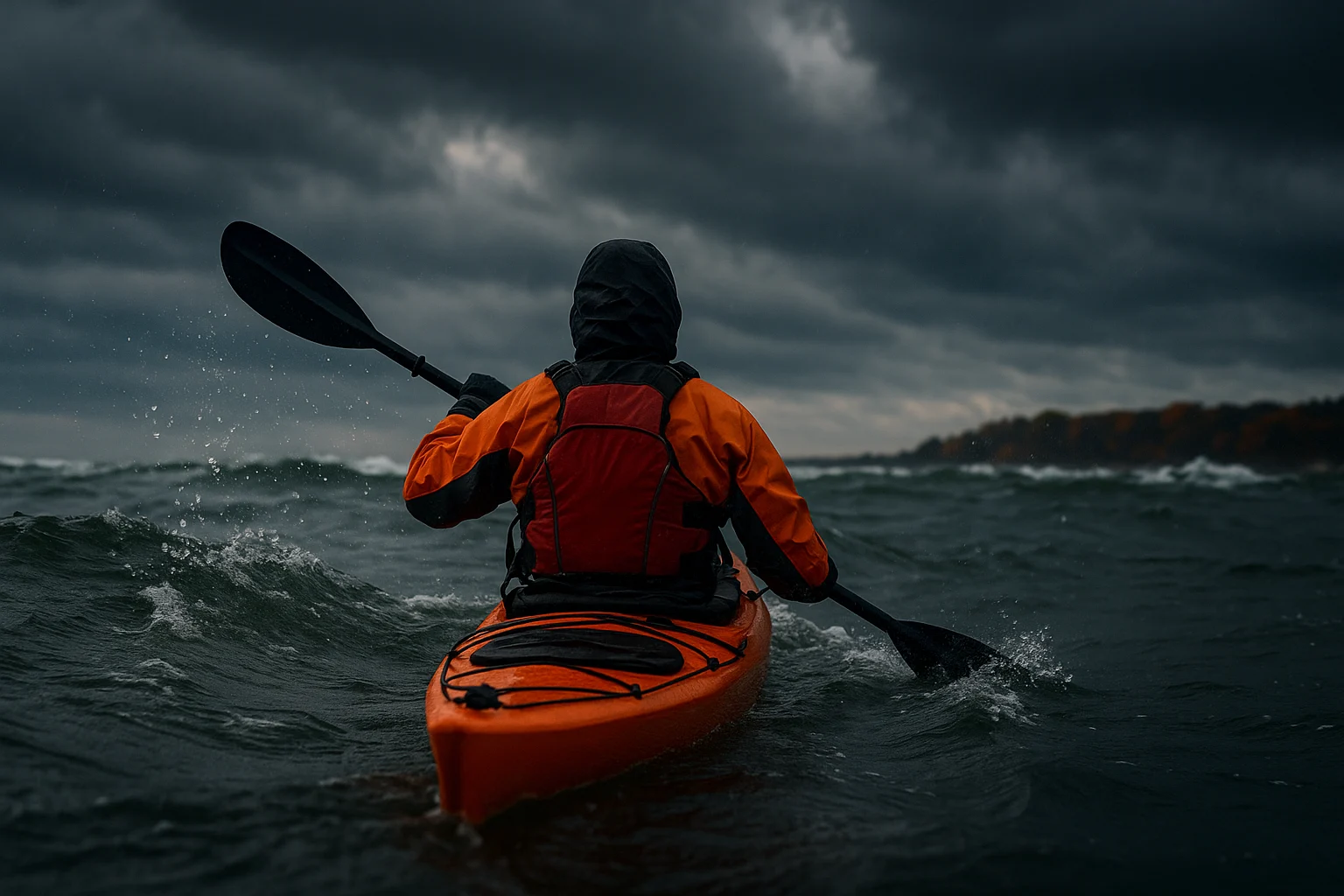
Capturing Rough Water
Shooting from a moving boat in variable conditions means anticipating wave breaks, using burst mode to catch peak action, and adjusting exposure on the fly as light changes with spray and movement. These skills transfer directly to other fast-paced outdoor photography.
Gear Choices
Lightweight mirrorless or compact cameras stored in waterproof pouches or dry bags kept the setup agile. Quick-access mounts (deck or handlebar style) allowed shots without interrupting paddling rhythm. Spare batteries stayed sealed and insulated against cold and spray — basic but critical habits in rough water.
Key Lessons
Adaptability is the core skill: read the water ahead, protect gear from constant spray, shoot in controlled bursts rather than single frames, and accept that some shots will be lost to movement or weather. Lightweight, sealed equipment lets you stay mobile and focused — principles that apply equally to harsh-conditions travel of any kind.
Related idea: mental resilience matters as much as gear when conditions get chaotic.
Next Steps
Put these habits into practice on your next water-based shoot or tough-conditions trip.
Lessons derived from documented community events and practical experience in dynamic environments. Always prioritize safety and local conditions when on the water.