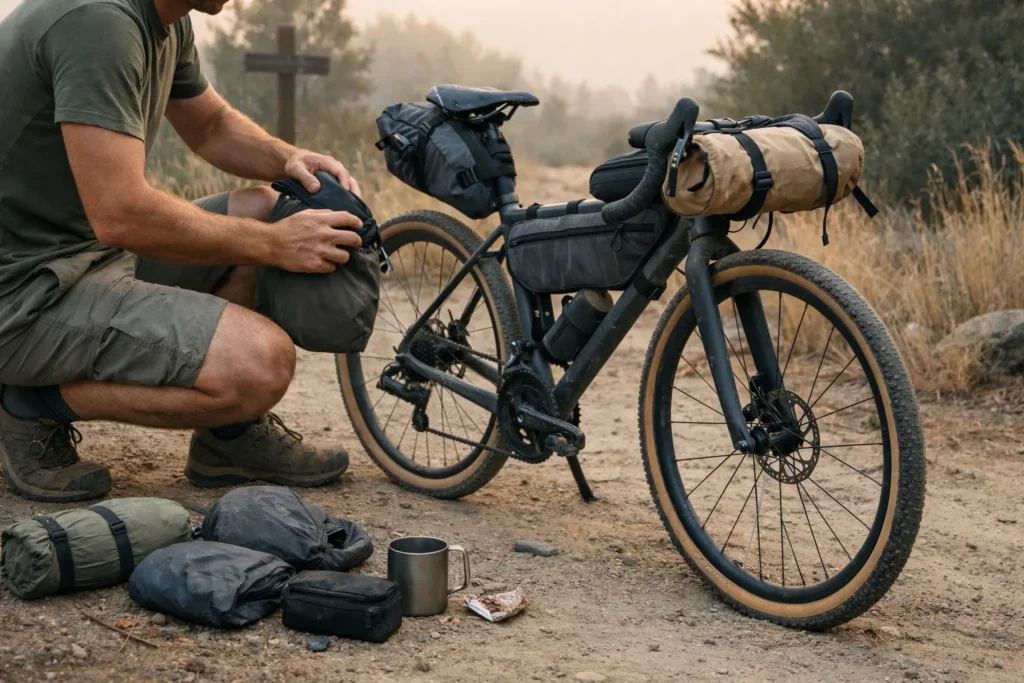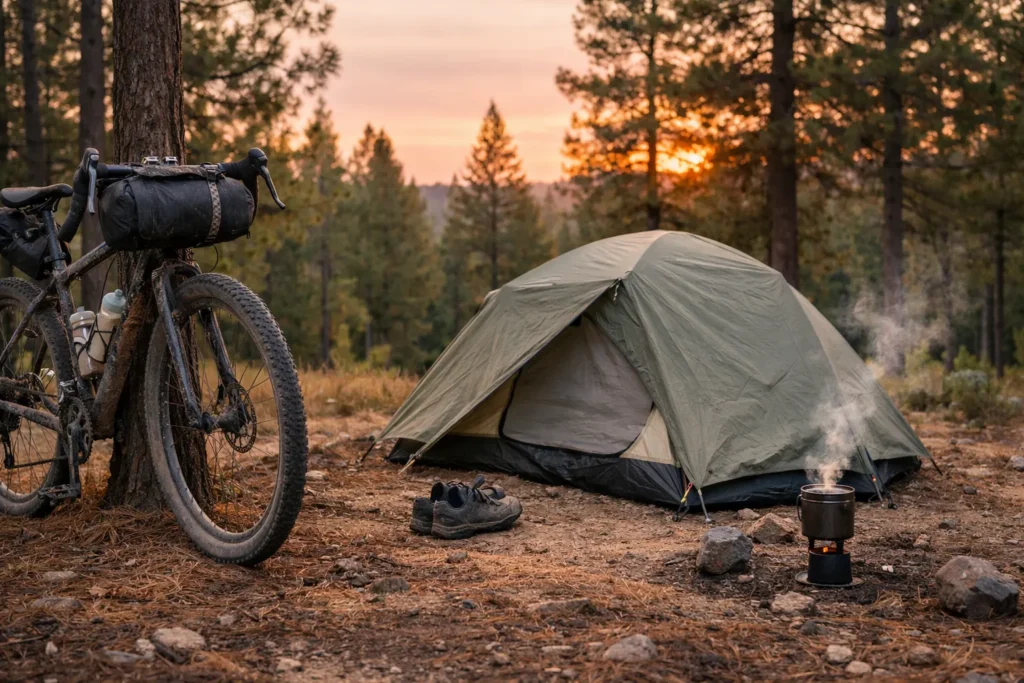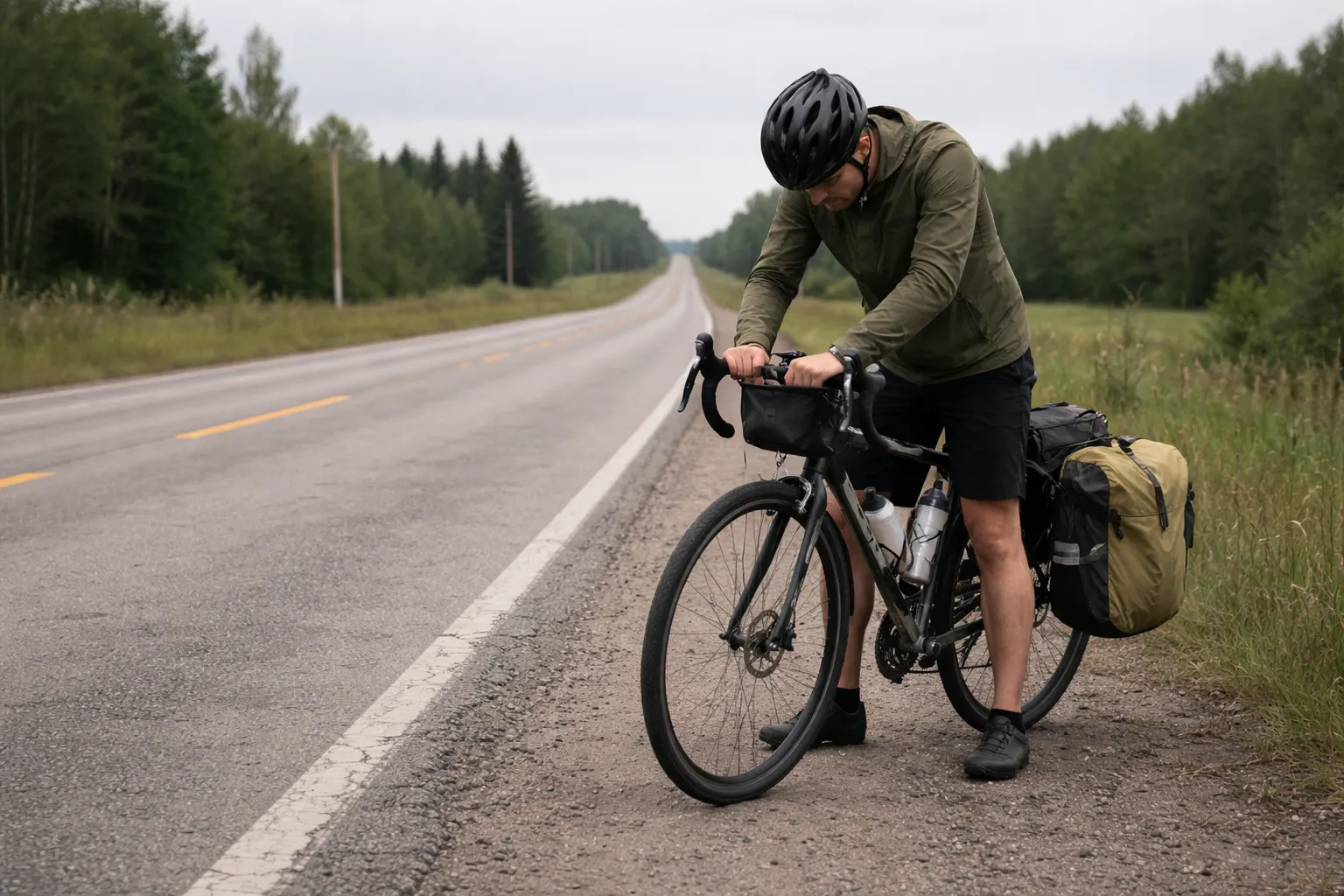
If you’ve ever hit that point where your legs are fine but your brain is yelling “stop,” you’re not broken—you’re human. Bad-day resets are a learnable skill, and mental resilience on long bike tours gets easier when you’ve got a few go-to moves you can run without thinking.
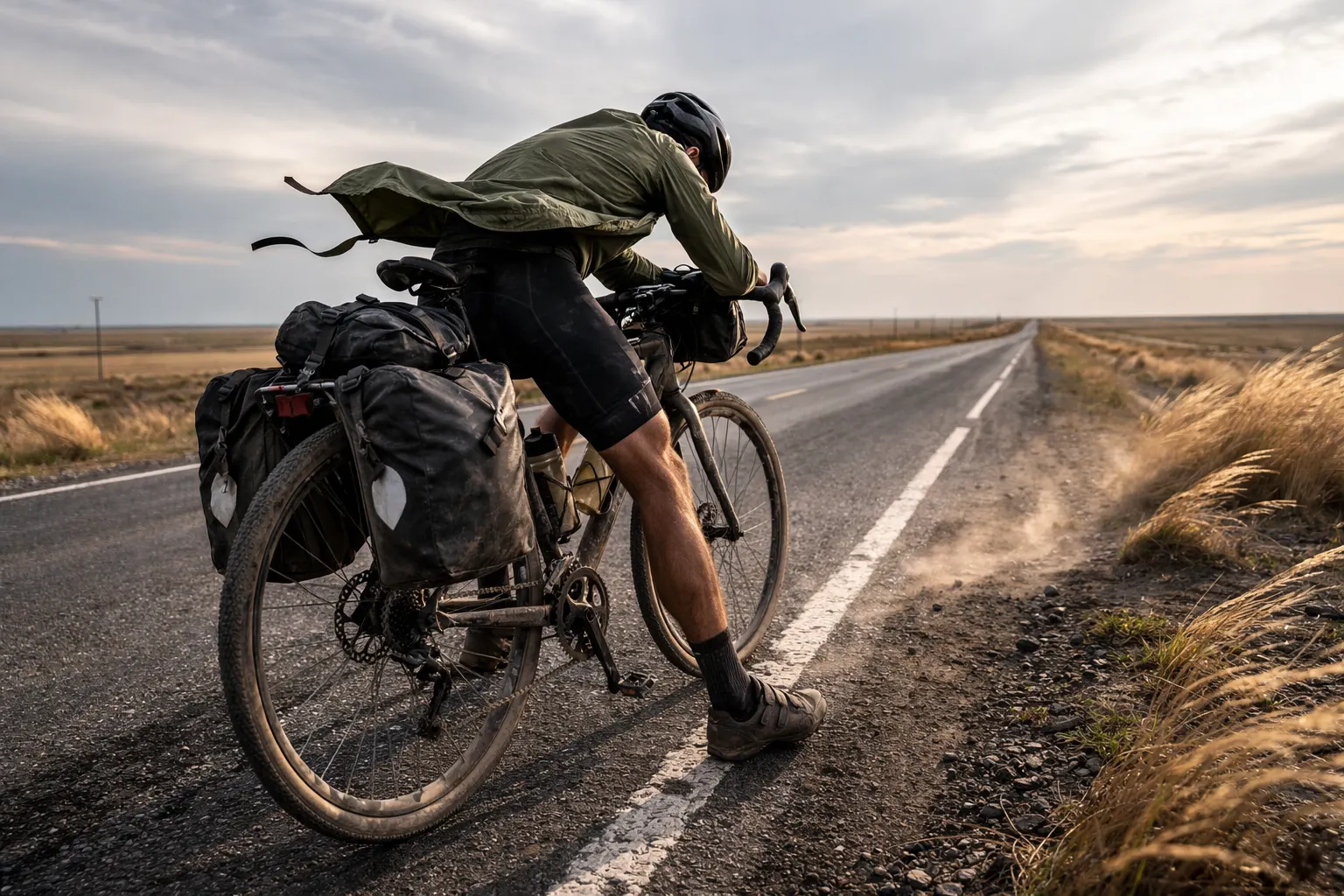
I remember sitting on a curb in rural Kazakhstan, staring at my loaded bike and feeling completely overwhelmed. Not by the physical challenge—my legs were fine. But mentally? I was done. That’s when I realized I needed actual strategies, not just willpower.
The tools I’m sharing here aren’t theoretical. They’re battle-tested on real tours, during real breakdowns, when Instagram motivation fails and you’re left with just yourself and the road ahead. This is the core of mental preparation for bike touring: not motivation speeches, but practical resets you can run on autopilot. The stuff you wish someone had handed you before you rolled out.
Your Best-Fit Touring Resilience Reset
Pick the closest answers—no wrong choices.
Table of Contents
- Key Takeaways
- What Mental Resilience Really Means on a Bike Tour
- The Resilience Loop: Your Mental Reset Framework
- Mental Tools Checklist: Your Touring Toolkit
- Practical Daily Routines That Build Mental Resilience on Long Bike Tours
- The Setback Framework: When Everything Goes Wrong
- Building Your Support System on the Road
- Long-Term Mindset Shifts for Sustainable Touring
- Frequently Asked Questions
- Conclusion: Your Resilience Toolkit for the Long Road
Key Takeaways
- Resilience is trainable: practical tools beat “tough it out” energy.
- The Resilience Loop (Check → Reset → Reach Out) gives you a simple framework for tough moments.
- Daily micro-routines and support systems matter more than big motivational speeches.
- Setbacks are inevitable—having a structured approach helps prevent tour-ending spirals.
- Building resilience is about sustainable practices, not pushing through everything.
What this guide covers: resilience frameworks, daily routines, setback handling, and support systems. If you’re looking for something specific, these deep dives may help:
- Planning your first trip? Beginner bikepacking guide — gear, routes, first-trip prep
- Feeling worn out after weeks on the road? Travel burnout recovery
- Riding alone? Solo bikepacking safety and mindset
- Looking for the “why”? Traveling with purpose — what keeps riders going
What Mental Resilience Really Means on a Bike Tour
Let’s get one thing straight: mental resilience on long bike tours isn’t about becoming a stoic cycling machine who never struggles. It’s about bouncing back faster when things go sideways—and they will go sideways.
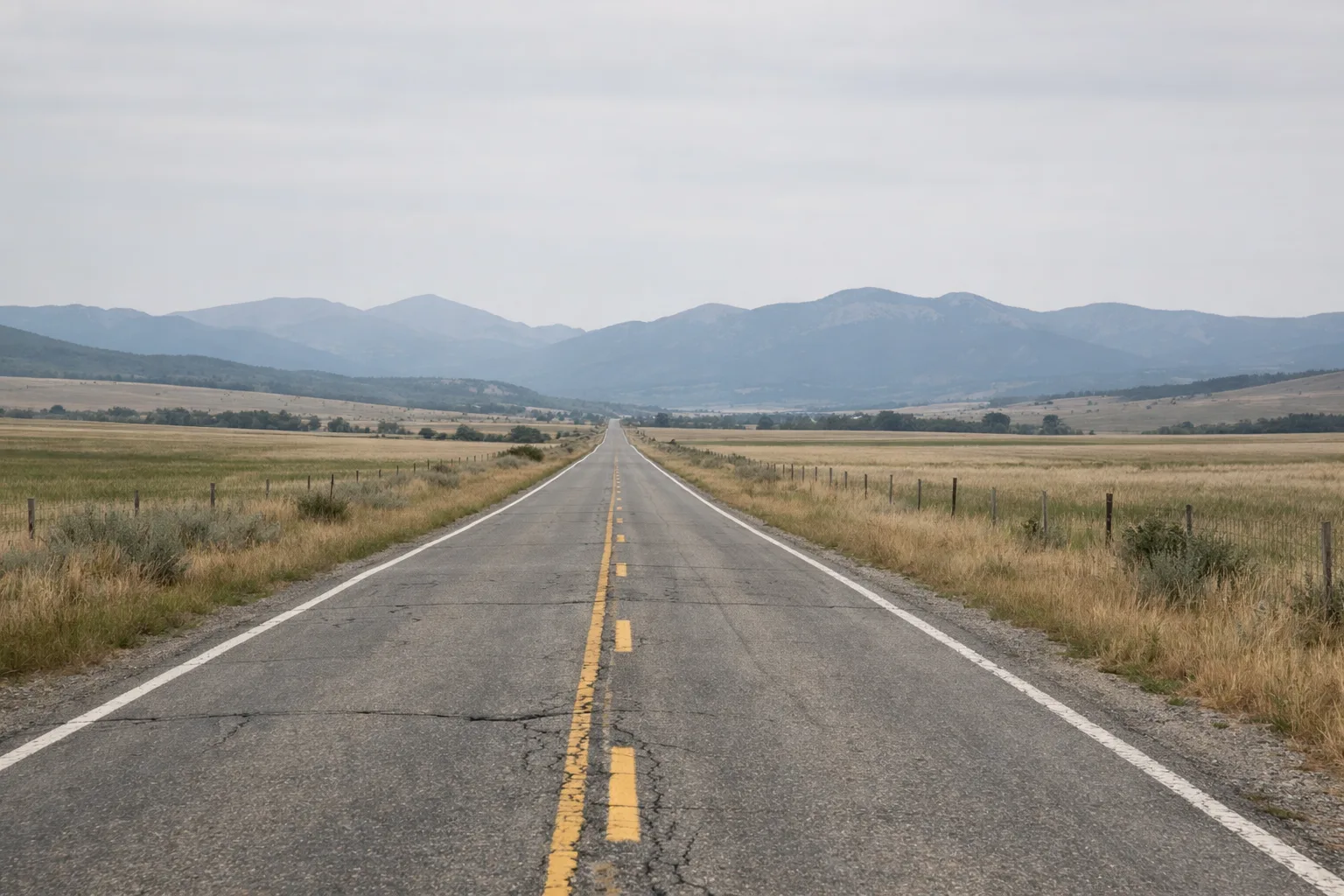
Real tour resilience looks like:
- Getting back on your bike after a mechanical failure ruins your day
- Adapting when weather forces you to change your entire route
- Managing loneliness without cutting your tour short
- Handling cultural stress and language barriers
- Dealing with the mental fatigue that comes after months on the road
The Mental Load of Long-Distance Touring
Most people prepare for the physical demands of touring. They train their legs, plan their gear, map their routes. But few prepare for the mental marathon that is living on a bike for months.
The mental challenges I’ve seen derail tours:
- Decision fatigue: Where to sleep, eat, go next—every day, for months
- Isolation amplification: Small problems feel massive when you’re alone
- Progress paralysis: Feeling like you’re not getting anywhere despite riding 80km daily
- Identity confusion: Who are you when cycling becomes your entire life?
- Future anxiety: What happens when the tour ends? The return home carries its own mental challenge—many long-distance cyclists find the reentry harder than the road itself
The Resilience Loop: Your Mental Reset Framework
Here’s the system that saved my tour (and sanity) multiple times. When you hit a mental wall, run through this loop:
1. CHECK 🔍
Stop and assess what’s actually happening.
Ask yourself:
- Am I physically safe right now?
- What exactly am I feeling? (Name it specifically)
- Is this a real problem or am I catastrophizing?
- When did I last eat/drink/rest properly?
The 5-4-3-2-1 Grounding Technique:
- 5 things you can see
- 4 things you can touch
- 3 things you can hear
- 2 things you can smell
- 1 thing you can taste
This pulls you out of mental spirals and back to the present moment. If you want a quick “how-to” from a counseling center, here’s a grounding overview.
2. RESET ⚡
Take immediate action to shift your state.
Physical resets (choose one):
- Open posture: Stand tall, shoulders back, hands on hips, 2 minutes—upright body language tends to shift how you feel
- Breathing box: 4 counts in, hold 4, out 4, hold 4
- Micro-movement: 10 jumping jacks or push-ups
- Cold exposure: Splash cold water on face/wrists
Mental resets:
- Perspective zoom: “Will this matter in 5 years?”
- Progress reminder: Look at your map and see how far you’ve come
- Gratitude rapid-fire: Name 3 things going right, right now
- Mission reconnect: Remember why you started this tour
3. REACH OUT 🤝
Connect with your support system.
This doesn’t mean calling for rescue. It means:
- Texting a friend back home (even just “thinking of you”)
- Posting in touring forums or Facebook groups
- Chatting with locals (even basic interactions help)
- Calling family for a 5-minute check-in
- Writing in your journal as if talking to a friend
“The Resilience Loop isn’t about fixing everything. It’s about stopping the downward spiral and getting you back to a place where you can make good decisions.”
Scenario 1: brutal headwind + you’re cooked at km 80
Check: “I’m safe, but I’m under-fueled and spiraling.” Eat, drink, and name it: frustration + fatigue.
Reset: 4 rounds of box breathing, then set a tiny target: “Ride 20 minutes to the next village.”
Reach out: Send one voice note: “Today’s rough—talk me down.” Decision after: shorten the day, not the tour.
Scenario 2: lonely campsite spiral
Check: Homesick + anxious, not in danger. Last real conversation? Three days ago.
Reset: Hot food + warm layer first, then 5-4-3-2-1 grounding.
Reach out: Message a Warmshowers host or your group chat. Plan one social stop tomorrow (café, hostel, local ride).
Mental Tools Checklist: Your Touring Toolkit
Morning Intention (2 min)
Evening Reflection (3 min)
Midday Check-in
Emergency Mental Tools
| When You Feel… | Use This Tool | Time Needed |
|---|---|---|
| Overwhelmed | 5-4-3-2-1 Grounding | 2 minutes |
| Lonely | Voice message to friend | 3 minutes |
| Stuck/Lost | Write 3 options, pick one | 5 minutes |
| Defeated | List 5 things you’ve overcome | 3 minutes |
| Anxious | Box breathing + power pose | 4 minutes |
| Homesick | Look at photos, then plan next milestone | 5 minutes |
Cognitive Reframing Scripts
Keep these ready for when your brain starts lying to you:
“I can’t do this anymore” → “I’m having a hard moment, but I’ve had hard moments before and gotten through them.”
“This was a mistake” → “This is challenging, and that’s exactly why it’s worth doing.”
“I’m not cut out for this” → “I’m learning and adapting. That’s what explorers do.”
“Everyone else makes this look easy” → “Everyone struggles. Most people just don’t share the hard parts.”
Practical Daily Routines That Build Mental Resilience on Long Bike Tours
Resilience isn’t built in crisis moments—it’s built in the small, daily practices that strengthen your mental foundation. For the deeper question of sustained mental health over months on the road, the guide on mental health on long bike tours covers managing anxiety, loneliness, and solo travel stress more comprehensively.
The Touring Trinity: Three Non-Negotiable Daily Practices
1. The Morning Launch Sequence (10 minutes)
- Drink water before checking phone
- Write down one thing you’re looking forward to today
- Set a realistic daily goal (not just distance—maybe “have one good conversation”)
- Pack your bike mindfully (this becomes meditation in motion)
2. The Midday Pause (5 minutes)
Many riders find that a forced midday stop also reconnects them with why they’re out here—the rhythm of riding can become so automatic that you stop noticing the good stuff. A pause resets that.
- Stop completely, even if you feel good
- Eat something, drink something
- Ask: “How am I doing mentally right now?”
- Adjust afternoon plans based on honest assessment
3. The Evening Anchor (15 minutes)
- Set up camp/accommodation completely before relaxing
- Write 3 sentences about your day
- Plan tomorrow’s first decision (route, breakfast, whatever)
- Do one thing that feels like “home” (music, call, familiar snack)
Weekly Resilience Builders
Staying motivated on long bike tours gets easier when you build variety into the routine rather than grinding the same pattern every day. Every 7 days, try doing something noticeably different:
- Take a full rest day in a town
- Try local food you’ve never had
- Have a real conversation with another traveler
- Do something non-bike related (museum, hike, movie)
- Video call someone from home
- Write a longer journal entry or blog post
Monthly Resilience Reviews
Ask yourself:
- What mental patterns am I noticing?
- Which tools are working best for me?
- What support do I need more of?
- How has my relationship with discomfort changed?
- What would I tell someone starting their tour now?
The Setback Framework: When Everything Goes Wrong
Setbacks aren’t tour failures—they’re tour features. Part of staying motivated on long bike tours is having a framework ready so that a bad week doesn’t become a decision to quit. Here’s how to handle setbacks without losing your mental momentum.

The STOP Method for Major Setbacks
S – Stabilize
- Get to safety (physical and mental)
- Meet basic needs (food, water, shelter, communication)
- Don’t make big decisions while stressed
T – Time
- Give yourself 24-48 hours before major route changes
- Sleep on it (literally—everything looks different after rest)
- Set a specific time to reassess
O – Options
- Write down ALL possible next steps (even crazy ones)
- Research each option for 30 minutes max
- Ask: “What would I advise a friend in this situation?”
P – Pick and Proceed
- Choose based on your tour goals, not fear
- Commit to the decision for at least 3 days
- Focus on the next small step, not the entire solution
Common Setbacks and Resilience Responses
Bike Breakdown in Remote Area
- Immediate: Safety first, then assess damage calmly
- Mental tool: “This is part of the adventure I’ll tell stories about”
- Action: Document the experience, ask locals for help, embrace the unplanned
Weather Forcing Route Changes
- Immediate: Accept what you can’t control
- Mental tool: “Flexibility is a touring superpower”
- Action: Find the opportunity in the new plan
Loneliness/Homesickness — see also: solo bikepacking safety and mindset
General Burnout — for the full reset framework, see travel burnout recovery
- Immediate: Acknowledge the feeling without judgment
- Mental tool: “Missing home means I have good people in my life”
- Action: Connect with home, then connect with someone new locally
Money Stress
- Immediate: Calculate actual numbers, not fears
- Mental tool: “I’ve been resourceful before, I can be resourceful now”
- Action: Adjust spending, find creative solutions, reach out for advice
When the tools aren’t enough
Resilience isn’t white-knuckling it. If you haven’t slept/eaten properly in 24 hours, you’re panicking, or you feel unsafe—stop the day. Take a rest day, get indoors, and tell someone you trust what’s going on. If you’re dealing with persistent hopelessness, panic attacks, or thoughts of self-harm, get professional help immediately (local emergency services or a crisis line). Your tour is optional. Your wellbeing isn’t.
Building Your Support System on the Road
Mental resilience on long bike tours isn’t a solo sport. You need people in your corner, even when you’re physically alone.
Your Digital Village
Before You Leave:
- Create a group chat with 3-5 close friends/family
- Join 2-3 touring Facebook groups or forums
- Set up a blog or social media account for updates
- Exchange contacts with other touring cyclists you meet
While Touring:
- Check in with your group chat weekly (not just when things go wrong)
- Post in touring communities—ask questions, share experiences
- Respond to others’ posts (giving support builds your network)
- Document your journey for people following along
Local Connections
Daily Opportunities:
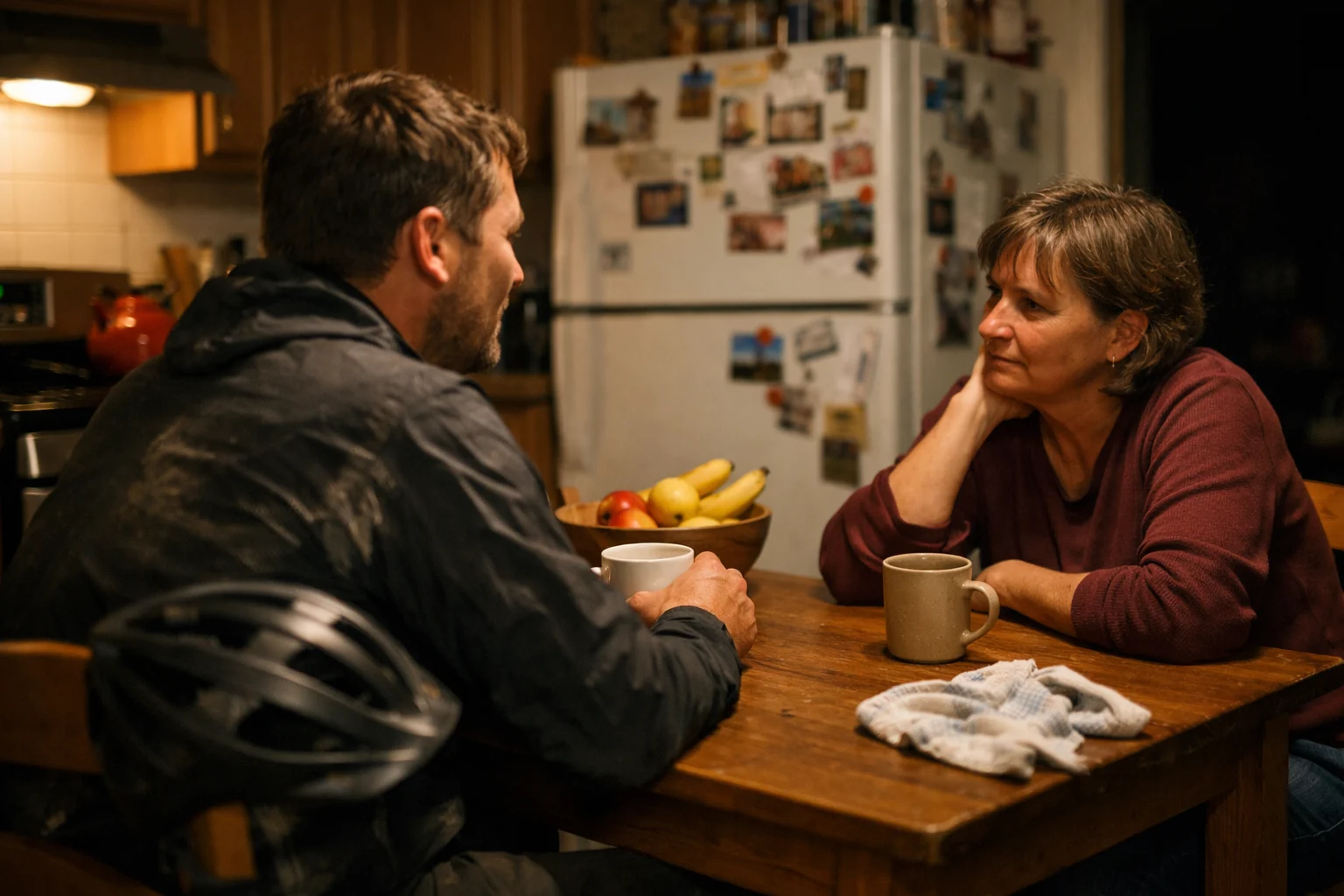
- Grocery store small talk
- Asking directions (even when you know the way)
- Thanking people who help (gas station attendants, etc.)
- Sharing your story when people ask about your bike
Deeper Connections:
- Warmshowers hosts
- Local cycling clubs
- Hostels and guesthouses
- Other travelers (not just cyclists)
- Cafes where you can sit and work/write
For solo riders planning to wild camp as part of this connection strategy, the wild camping safety guide covers campsite awareness — feeling safe out in the open directly reduces nighttime anxiety on remote nights.
Fellow Touring Cyclists
The Touring Cyclist Network:
- Exchange WhatsApp contacts with every touring cyclist you meet
- Share resources (routes, accommodation tips, gear advice)
- Plan to meet up if your routes align
- Stay in touch even after paths diverge
“Some of my strongest friendships started with a simple ‘Hey, nice bike!’ on a random road in the middle of nowhere.”
Long-Term Mindset Shifts for Sustainable Touring
After months on the road, your relationship with discomfort, uncertainty, and yourself will change. The bike touring mindset that gets you through week one is different from the one that sustains you through month four—and understanding that evolution is half the work. Here’s how to guide it positively.
From Fixed Plans to Flexible Intentions
Old mindset: “I must complete my exact planned route or I’ve failed.”
New mindset: “My route is a suggestion. My intention is to explore and grow.”
Practical shift:
- Plan in 2-week chunks, not 6-month blocks
- Celebrate route changes as adventures, not failures
- Measure success by experiences, not kilometers
From Comfort Seeking to Comfort Dancing
Old mindset: “I need to minimize all discomfort.”
New mindset: “I can dance with discomfort—sometimes leading, sometimes following.”
Practical shift:
- Rate discomfort 1-10 and notice you can handle more than you thought
- Distinguish between “dangerous discomfort” and “growth discomfort”
- Find your personal comfort-challenge sweet spot
From Problem Solving to Problem Dancing
Old mindset: “Every problem needs an immediate solution.”
New mindset: “Some problems resolve themselves. Others teach me things. A few actually need solving.”
Practical shift:
- Try the 24-hour rule: wait before “fixing” non-urgent issues
- Ask “What is this teaching me?” before “How do I make this stop?”
- Develop comfort with uncertainty
From Individual Achievement to Community Experience
Old mindset: “This is my personal challenge to conquer alone.”
New mindset: “This is my journey, experienced in connection with others.”
Practical shift:
- Share struggles, not just highlights
- Ask for help before you desperately need it
- Offer help to other travelers regularly
One last frame that ties all of this together: think of your mental toolkit like your bike’s gears. Easy days call for gratitude and momentum. Tough days call for the Resilience Loop and a check-in. Crisis days call for the STOP method and getting indoors. You don’t ride in the same gear on every road—don’t try to manage every mental state the same way either.
Frequently Asked Questions
Conclusion: Your Resilience Toolkit for the Long Road
Mental resilience on long bike tours isn’t about becoming invincible—it’s about becoming adaptable. It’s about having tools ready when you need them and the wisdom to know which tool fits which situation.
The road will test you. Weather will be terrible. Things will break. You’ll feel lonely, frustrated, and occasionally question your sanity. That’s not a bug in the touring experience—it’s a feature. Those challenges are what transform a bike ride into a life-changing journey.
One night, after a brutal day where nothing “big” went wrong but everything felt heavy, I sat on the ground next to my tent and didn’t touch my phone. I ate something warm, wrote three sentences in my journal, and sent one voice note that basically said, “I’m okay—just wrung out.” The next morning wasn’t magically easy, but it was rideable. That’s the whole game: make tomorrow possible.
Your next steps:
- Choose one tool from this article to practice this week (even if you’re not touring yet)
- Build your support network before you need it
- Start developing daily resilience practices now
- Remember: asking for help is a sign of wisdom, not weakness
The most resilient touring cyclists aren’t the ones who never struggle—they’re the ones who struggle well, recover quickly, and keep rolling forward. With these tools in your kit, you’ll be ready for whatever the road throws at you.
Your bike can carry you thousands of kilometers, but your mind will carry you through the journey. Take care of both.
For the practical side of getting started, our beginner bikepacking guide covers gear, route choice, and first-trip prep. And for the deeper question of why you ride, traveling with purpose explores what keeps riders motivated when the miles get hard.
This guide to touring resilience and mental wellbeing on long rides is for general education only. The strategies shared here are drawn from personal experience and are not a substitute for professional mental health support. If you’re dealing with persistent anxiety, depression, or a mental health crisis while on tour or at home, please reach out to a qualified professional or a local crisis service. Individual experiences vary—what works for one rider may not work for another.